
Types of Cosmetic Packaging: How to Choose
In my years of experience in the cosmetic packaging industry, I’ve seen firsthand that packaging is far more than a simple container; it is the first physical interaction and a critical communication channel between a brand and its consumers. Think of it as the “face of the product” or a “silent salesperson”. A thoughtfully designed package can grab a consumer’s attention, communicate a brand’s core values, and forge a deep emotional connection with its target audience. This makes it a strategic marketing tool that can determine a product’s success.
Four Key Factors for Packaging Decisions
Making the right packaging decision requires a strategic framework that goes beyond pure aesthetics. To guide our partners, we focus on four critical pillars: Brand Alignment, User Experience, Product Integrity, and Sustainability Promise.
1. Brand Alignment
Packaging is a powerful expression of your brand’s identity and personality. Every visual element speaks to the consumer. Color psychology is key; green can suggest sustainability, gold and black often signal luxury, and vibrant colors appeal to a younger demographic. The typography, whether an elegant script or a modern font, sets the brand’s tone. Even tactile finishes like a soft-touch surface create a sensory experience that strengthens brand positioning. In today’s digital world, the package is the physical anchor of an online identity, and its design must be consistent across all channels to build recognition and trust.
2. User Experience (UX)
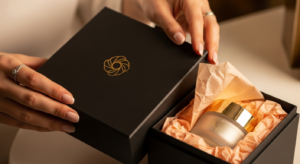
A package’s appeal goes far beyond its look; its functionality is essential for a positive user experience. A design that is difficult to use can cause significant frustration, while a user-friendly one can dramatically increase brand loyalty. Dispensing mechanisms like pumps, droppers, and squeeze tubes ensure precise application and prevent product waste. The “unboxing experience” has also become a vital part of brand engagement. Thoughtful details like custom inserts or personalized notes can turn a simple transaction into a memorable event, making the customer feel valued. This is especially true for Gen Z and millennial consumers, for whom an “Instagrammable” design is a major driver of engagement.
3. Product Integrity
The primary role of cosmetic packaging is to protect the product from environmental factors like air, light, moisture, and contamination. This is fundamental to ensuring consumer safety and product effectiveness. Material compatibility is non-negotiable; the packaging cannot react with the formula. Glass, for instance, is often chosen for sensitive, acid-based products because it is non-reactive and provides an excellent barrier. Rigorous testing is essential, especially with the rise of new and recycled materials. It’s crucial to ensure no harmful chemicals leach into the product, which is why we emphasize robust quality control and compliance with international standards.
4. Sustainability Promise
Sustainability is now a core consumer expectation. The cosmetics industry produces an estimated 120 billion units of packaging each year, with much of it ending up in landfills.[1] In response, brands are turning to eco-conscious strategies, including:
- Material Innovation: Using post-consumer recycled (PCR) plastics, biodegradable polymers, and mono-materials that are easier to recycle.
- Circular Systems: Implementing refillable and reusable packaging systems that reduce waste and build customer loyalty.
- Minimalist Design: Reducing material usage with lightweight designs and eliminating unnecessary secondary packaging.
A commitment to sustainability enhances brand reputation and resonates with environmentally conscious consumers.
Types of Packaging Material Selection
Choosing a material involves balancing aesthetics, function, cost, and environmental impact. Here is a look at the most common options for containers for skin care products and makeup product packaging.
- Plastic (HDPE, PET): Highly versatile and cost-effective, plastic is lightweight, flexible, and resistant to breaking. It is ideal for lotions, creams, and travel-sized products. While some types like PET and HDPE are recyclable, their environmental impact is a key consideration.
- Glass: Glass conveys luxury and elegance, and its transparency beautifully showcases the product. Though it is heavier—which increases shipping costs—and more fragile, it is infinitely recyclable and non-reactive, making it perfect for premium skincare, serums, and fragrances.
- Metal (Aluminum): Metal offers a sleek, durable, and premium feel. It is lighter than glass and provides excellent protection from light and air, making it suitable for sunscreens and other sensitive formulas.
- Flexible Packaging: This option is lightweight, shatterproof, and economical to produce and transport. It is often used for single-use samples and refill pouches. While traditional flexible packaging can be hard to recycle, new mono-material solutions are emerging to address this challenge.
Packaging Forms: Giving Life to Your Product
The form of your cosmetic packaging is a functional decision based on the product’s formula and intended use.
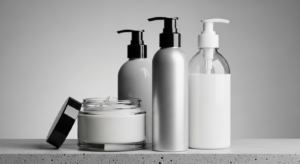
- Bottles & Sprayers: Ideal for low-viscosity liquids like toners, serums, and foundations, bottles can be paired with various dispensers. Fine mist sprayers provide even application, droppers allow for precision, and pumps offer controlled dispensing.
- Tubes & Squeeze Bottles: Valued for their portability and hygienic application, tubes are perfect for creams, cleansers, and lip glosses. They can be fitted with specialized applicators like rollerballs for a cooling effect or brush tips for makeup.
- Jars & Pots: A classic choice for thick creams, balms, and masks, jars offer easy access to the product. While traditional jars carry a contamination risk from fingers, this can be solved by including a spatula or opting for an airless jar design. A heavy glass jar often creates a luxurious tactile experience.
- Compacts & Palettes: Essential for makeup product packaging, compacts are designed to hold powders like eyeshadow and blush. A major trend in unique cosmetic packaging is refillability, which allows consumers to customize their palettes while reducing waste and encouraging repeat purchases.
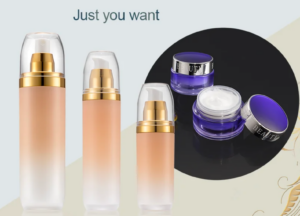
Partner with NAVI Packaging to Shape Your Brand’s Future
Navigating the complexities of cosmetic packaging requires a partner with deep expertise. At NAVI Packaging, we see packaging as a vital extension of your brand and are committed to delivering excellence from design to production. Our services are designed to meet the strategic needs of modern beauty brands:
- Customization and Design Support: We offer extensive customization options for size, shape, material, and color, with over 1,000 ready molds and various decoration techniques. Our OEM and ODM services provide full design support, whether you have a concept ready or need to create one from scratch.
- Production and Quality Assurance: Our state-of-the-art facilities operate in clean workshops compliant with ISO 14644-1 standards. A dedicated quality control team inspects every package to ensure a flawless appearance and uphold the highest safety standards.
- Commitment to Partnership: We build long-term relationships through a 1-year quality warranty and 24/7 technical support. We act as a holistic partner, providing material recommendations and guiding you through every stage to help shape your brand’s future.
Conclusion
In a saturated market, cosmetic packaging is a strategic asset that protects your product, communicates your brand’s values, and builds lasting consumer loyalty. The right packaging transforms a simple purchase into a memorable experience.
NAVI Packaging invites you to see packaging not as a cost, but as a core component of your brand identity.
Reference
[1] https://makersrow.com/blog/sustainable-beauty-packaging-skincare-packaging/
