
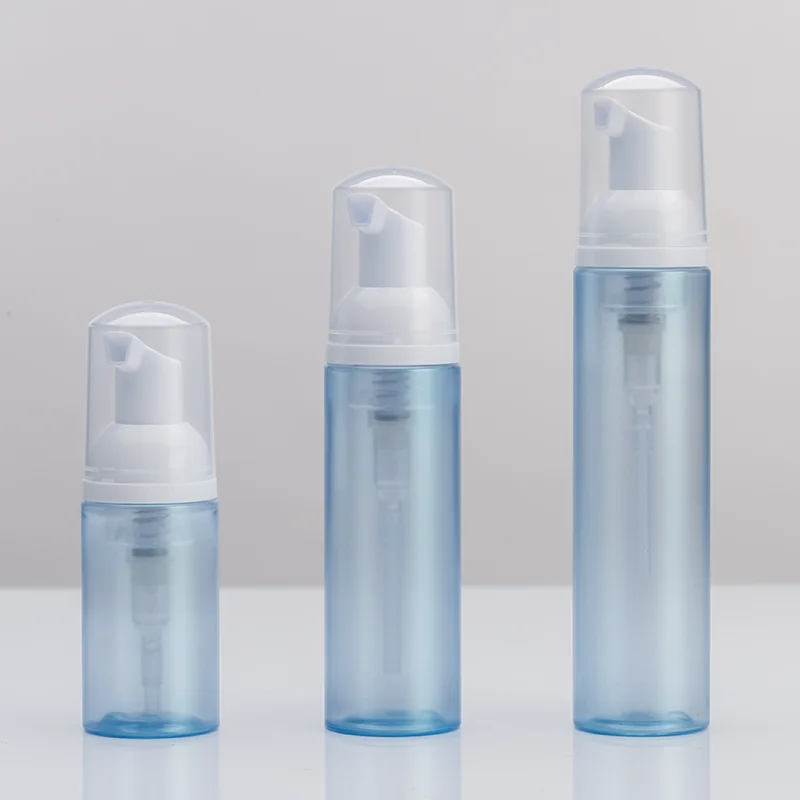
As sustainability becomes a defining direction in the beauty industry, mono-material cosmetic packaging has emerged as one of the most promising solutions for future recycling. Unlike traditional cosmetic containers that combine plastic, metal, rubber and coatings, mono-material packaging uses a single resin—such as mono-material PET, mono-material PP, or mono-material PE—to make the entire structure easier to recycle.
For skincare, makeup, and personal care brands that want packaging both sustainable and cost-effective, mono-material designs represent a realistic middle ground. But while the concept is simple, the execution is not. Based on real manufacturing experience from NAVI Packaging, this article analyzes the true opportunities and limitations of mono-material packaging for PET bottles, skincare pumps, lip gloss tubes and cosmetic components.
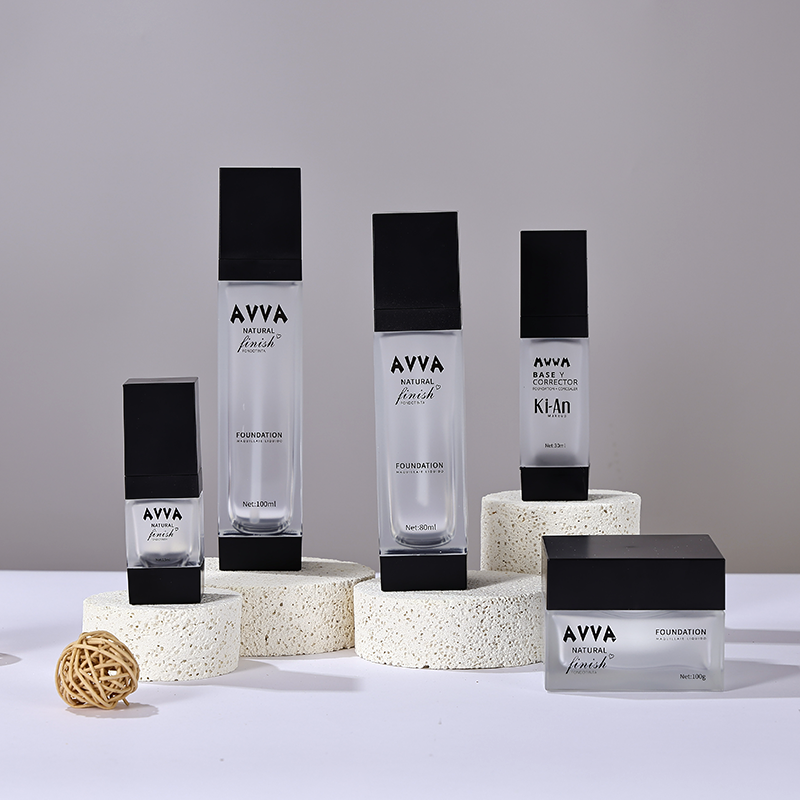
Why Mono-Material Packaging Matters for Cosmetic Recycling
In most global recycling systems, cosmetic packaging fails to be fully recycled because the components mix different materials—such as PET bottles with PP caps, ABS pumps with metal springs, or lip gloss tubes with rubber wipers. Even if the consumer throws the empty packaging into the recycling bin, the materials are difficult or impossible to separate at industrial scale.
Mono-material cosmetic packaging solves this by using one material across all components. For example:
• A mono-material PET bottle + PET pump + PET cap
• A mono-material PP jar with PP lid and PP liner
• A mono-material lip gloss tube with PP rod, PP wiper and PP applicator
When everything is made of the same resin, recycling facilities can process the entire container without manual separation. This dramatically improves recyclability, reduces sorting costs, and helps brands make stronger environmental claims.
The Real Opportunities for Beauty Brands
1. Higher Recycling Rates
Mono-material PET and PP packaging are more likely to pass through recycling lines because automated sorting machines can easily identify the resin. This gives skincare and makeup brands a measurable improvement in recyclability.
2. Lower Long-term Sustainability Cost
Compared with biodegradable materials or fully PCR constructions, mono-material packaging offers:
Stable resin supply
Lower manufacturing risk
Cost similar to standard packaging
Compliance with global recycling guidelines
This makes it an attractive choice for brands that want sustainability without unpredictable cost increases.
The Practical Limitations Brands Should Understand
Despite its advantages, mono-material cosmetic packaging is not a perfect solution, and NAVI Packaging often advises clients to consider the following challenges.
1. Pumps and Closures Are Hardest to Convert
The biggest technical challenge is pumps. Traditional pumps use mixed materials:
ABS housing
POM piston
Metal spring
PE dip tube
For a pump to become mono-material, every part must be PP or PET—and the metal spring must be removed or replaced. This is possible, but it reduces pump force and limits design options.
2. Mono-Material Lip Gloss Tubes Affect Texture
Converting lip gloss tubes into mono-material PP packaging is feasible, but PP has lower transparency than PETG. Color cosmetic brands that rely on clear packaging for visual impact may find mono-material options less attractive.
3. Heat Resistance and Shape Restrictions
Mono-material PET components require higher mold temperatures, which increases production complexity. Mono-material PP components may deform at high temperatures during decoration or filling.
4. Not Every Market Recycles Every Resin
Even if a package is 100% PET or 100% PP, recycling still depends on:
Local recycling infrastructure
Sorting systems
Collection rate
Consumer behavior
This means mono-material cosmetic packaging improves recyclability but does not guarantee recycling.
How NAVI Packaging Supports Mono-Material Development
As a global cosmetic packaging supplier, NAVI Packaging provides:
Mono-material PET bottles for skincare
Mono-material PP jars and lids
Mono-material lip gloss tubes
PP-based recyclable pumps
Custom engineering for brands transitioning to single-resin components
Our team works closely with beauty brands to evaluate mechanical strength, decoration feasibility, recyclability standards, and cost impact—ensuring that every project achieves both sustainability and commercial viability.
Mono-Material Packaging Is the Future—But with Realistic Expectations
Mono-material cosmetic packaging offers a practical path toward higher recyclability and lower environmental impact. It simplifies consumer behavior, improves material recovery, and allows brands to maintain aesthetic freedom without extreme cost increases. But the limitations—especially in pumps, transparency, and resin performance—mean that mono-material packaging works best as part of a broader sustainability roadmap rather than a one-step solution.
Beauty brands that strategically combine PCR, mono-material PET and PP, PETG for premium lines, and selective biodegradable materials achieve the best balance between sustainability and brand experience. With the right technical support from NAVI Packaging, adopting mono-material cosmetic packaging becomes a structured, manageable and commercially successful journey.
