
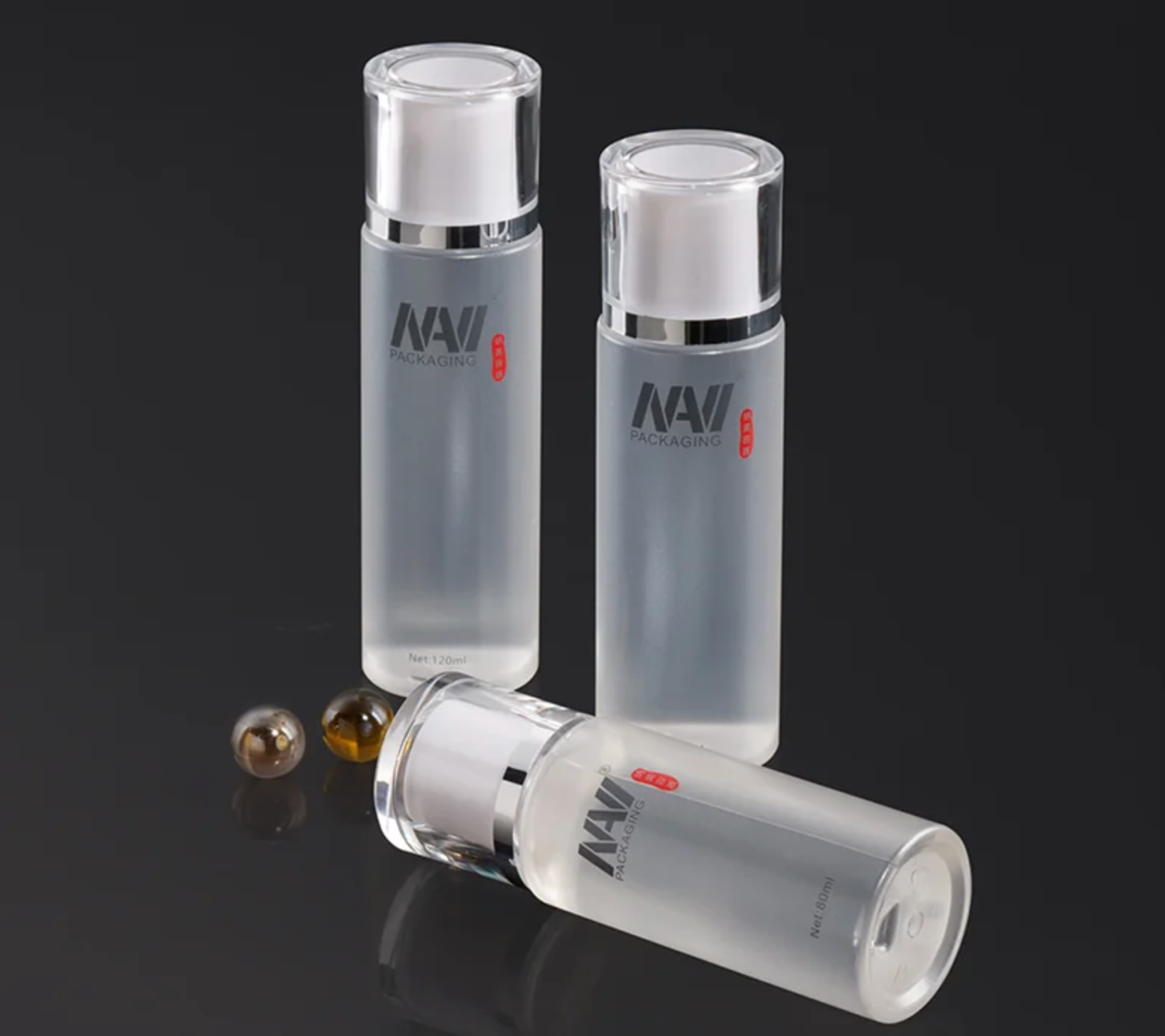
The cosmetic packaging market is undergoing a seismic shift. As we look toward 2026, the forces of consumer consciousness, regulatory pressure, and technological advancement are converging to redefine what it means to be a leader in the beauty industry. For brands in the competitive US and European markets, success is no longer just about what’s inside the bottle—it’s about the bottle itself. Market leadership in 2026 will demand an integrated strategy that masterfully combines Sustainability, Digitalization, and Human-Centric Design.
This article explores the three core cosmetic packaging trends shaping the future and demonstrates how a strategic manufacturing partner can help you not only adapt but thrive.
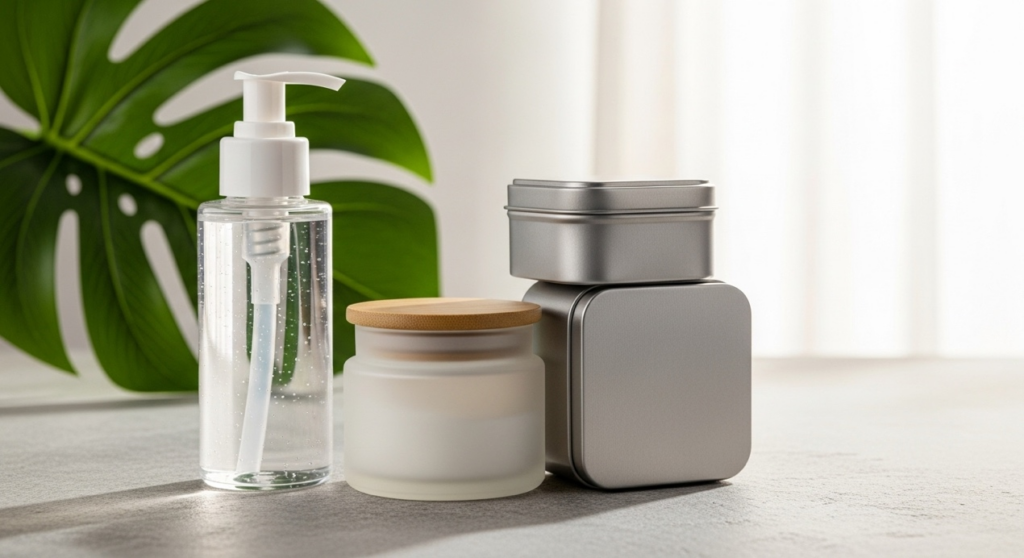
Trend 1: Sustainability Becomes the Standard
What was once a niche consideration is now a non-negotiable cornerstone of the beauty packaging industry. Driven by both consumer demand and stringent new laws, sustainability is the new standard operating procedure.
1. The Rise of Circular Systems
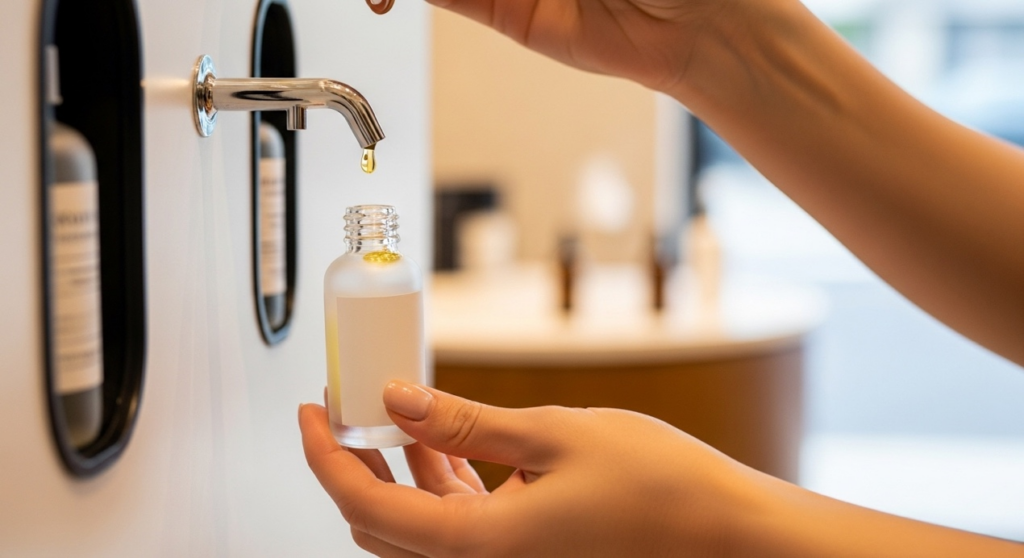
The concept of a circular economy has firmly taken root, with refillable and reusable packaging models moving from the fringe to the mainstream. This shift is overwhelmingly powered by consumer demand; as of 2025, a remarkable 59% of French women had already purchased a refillable cosmetic product. The primary motivator is clear: 70% of consumers cite environmental responsibility as their main reason for purchase.
However, adoption comes with expectations. Consumers anticipate a 10% to 20% price reduction for refills, and 63% would buy more if the price were lower. While brands have a clear incentive, they must also address key consumer barriers, including limited product availability (44%), lack of education (32%), and concerns about ease of use (19%) and hygiene (14%).
2. Regulatory-Driven Material Innovation
Governments are amplifying the call for sustainability. Landmark regulations like the EU’s Packaging and Packaging Waste Regulation (PPWR) and California’s SB 54 are enforcing a “design for recycling” mandate. The PPWR, for instance, aims to make all packaging in the EU market economically recyclable by 2030.
This regulatory landscape is accelerating material innovation. The focus is on two key areas:
- Mono-Materials:To simplify recycling streams, the industry is shifting toward mono-materials like PP, PE, and PET. These materials are ideal for achieving true recyclability.
- Post-Consumer Resins (PCR):Regulations are setting clear targets for recycled content. For example, Washington State’s RCW 70A.245.10 mandates at least 15% PCR content in plastic packaging between 2025 and 2027.
The ultimate goal for innovative cosmetic packaging is to combine these solutions, creating packaging that is both 100% recyclable and made from 100% recycled content.
Trend 2: Digital Metamorphosis
Technology is transforming packaging from a passive container into an active, intelligent brand asset. This digital metamorphosis is enhancing trust, boosting sales, and creating entirely new consumer experiences.
1. Connected Packaging for Trust & Traceability
The integration of NFC and QR codes has evolved far beyond simple marketing links. These technologies are now crucial tools for building consumer trust and supply chain integrity. They offer transparent traceability, robust anti-counterfeiting measures, and a direct line for consumer engagement.
The scale of this challenge is massive. The global anti-counterfeit market for pharmaceuticals and cosmetics was valued at $102.45 billion in 2024 and is projected to grow at a CAGR of 8.65% through 2030. Authentication technologies, which accounted for over 59% of the market in 2024, are becoming essential for brand protection. Furthermore, these codes can enhance accessibility, allowing visually impaired users to access audio or video instructions with their smartphones.
2. The ROI of “Phygital” Experiences
Augmented Reality (AR) has proven itself as a powerful sales engine, bridging the physical and digital worlds. Virtual Try-On (VTO) experiences are no longer a gimmick; they are a core component of the e-commerce toolkit, proven to reduce returns and increase conversion.
The numbers speak for themselves:
- Shopifyreports that products with AR content see a 94% higher conversion rate than those without.
- Sephora’sAR try-on feature is estimated to have driven a 31% increase in sales, with users converting at a 90% higher rate.
- Estée Lauder’sVirtual Shade Expert tool boosted foundation purchase conversions by 2.5 times.
- Clinique’sAI-powered AR mirror increased the average basket size by 30% and extended in-store dwell time fivefold.
Trend 3: The Human-Centric Revolution
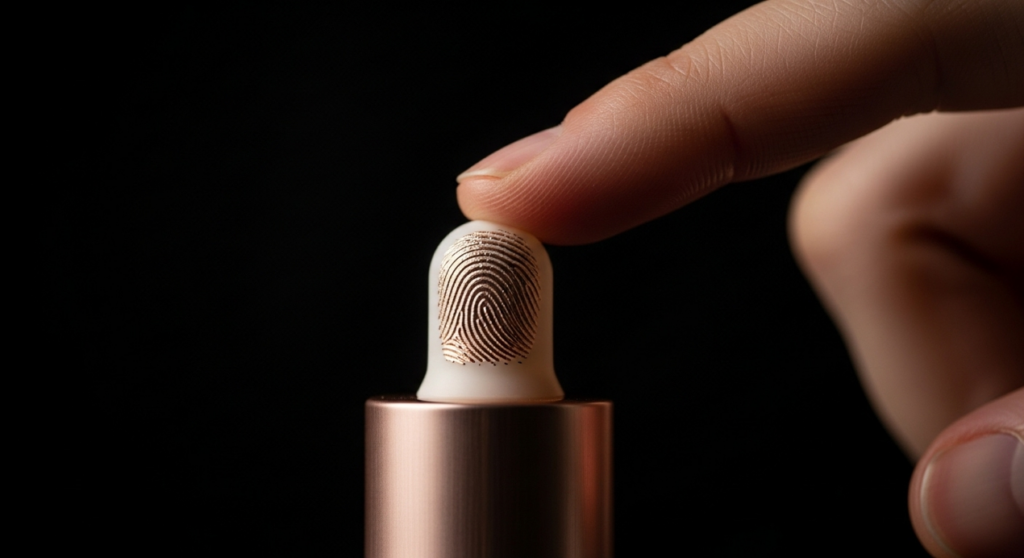
In a market saturated with options, the physical experience of a product is a powerful differentiator. The human-centric revolution prioritizes sensory appeal and inclusive design, recognizing that how a package feels and functions is as important as how it looks.
1. The Power of Sensory Experience
Even with the shift to sustainable materials, the perception of luxury and quality remains paramount. This is conveyed through a sophisticated symphony of sensory cues:
- Haptics:The sense of touch is critical. Soft-touch finishes, slightly rough textures associated with eco-friendliness, and the tactile feel of an embossed logo all communicate quality through “embodied branding”.
- Acoustics:The sound a package makes can be a powerful brand signifier. A crisp, magnetic “click” upon closure serves as an auditory anchor, evoking feelings of precision, security, and premium quality.
- Weight:The perceived weight of a container continues to be a shorthand for value.
These sensory elements are not trivial—research shows that 90% of a purchase decision is driven by sensory perception within the first few seconds of contact.
2. Inclusive Design as a Market Expander
Designing for accessibility is not just an ethical imperative; it’s a strategic business decision that expands market reach. Brands certified as “inclusive” grow 1.5 times faster than their competitors.
Key principles of inclusive design include:
- Unique Shapes & Textures:Using distinct forms or tactile variations (e.g., a bottle for shampoo, a tube for conditioner) helps users identify products by touch.
- Clear Typography:Critical information should be in a 14pt, sans-serif font with high contrast to ensure readability for the majority of users.
- Tactile Markings:While only about 10% of visually impaired individuals use Braille, raised markings like symbols or textured bands are valuable accessibility aids.
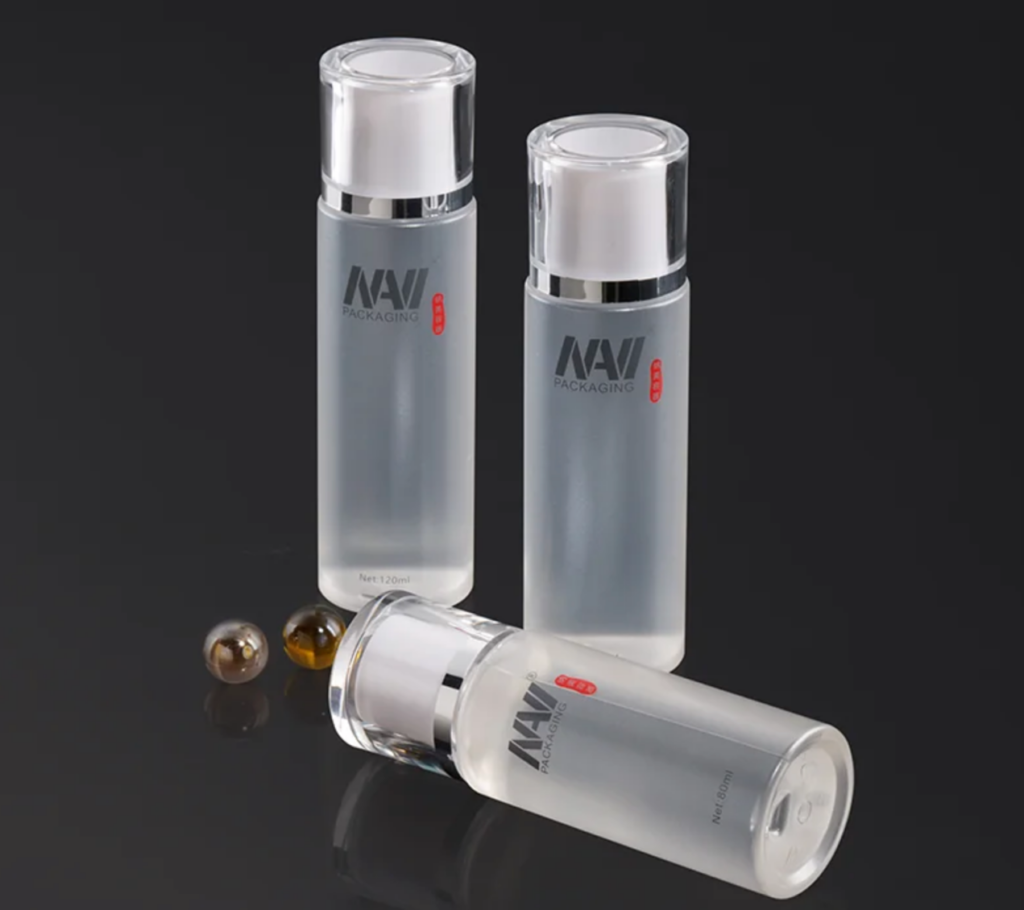
Meet NAVI Packaging: Your Strategic Innovation Partner
Navigating these complex trends requires a partner with deep expertise and robust capabilities. NAVI Packaging is a professional cosmetic packaging manufacturer specializing in providing high-quality, customized, and sustainable OEM and ODM solutions.
We are uniquely equipped to help your brand lead in 2026:
- Sustainability Excellence:We offer a wide range of materials, including PET, PP, and glass, and are committed to circular design. Our commitment is validated by an Ecovadis Platinum sustainability rating, placing us in the top 1% of all companies assessed.
- Manufacturing Prowess:Our comprehensive, in-house processes—from R&D and injection molding to spraying and printing—ensure flawless execution. We operate with a BSCI certification and a 100,000-level cleanroom to guarantee the highest quality standards.
- Design & Innovation:Our expert R&D team continuously researches global beauty trends and consumer behavior. With over 1,000 existing molds and full customization capabilities, we can engineer the precise sensory experience and inclusive features your brand needs to stand out.
Conclusion
The future of cosmetic packaging is a sophisticated blend of eco-responsibility, digital intelligence, and profound human insight. The brands that will win in 2026 are those that embrace this complexity and transform it into an opportunity for innovation.
To turn these trends into tangible, market-leading products, you need more than a supplier—you need a strategic partner.
Ready to build the future of your brand? Contact NAVI Packaging today to co-create your next-generation beauty packaging solution.
